
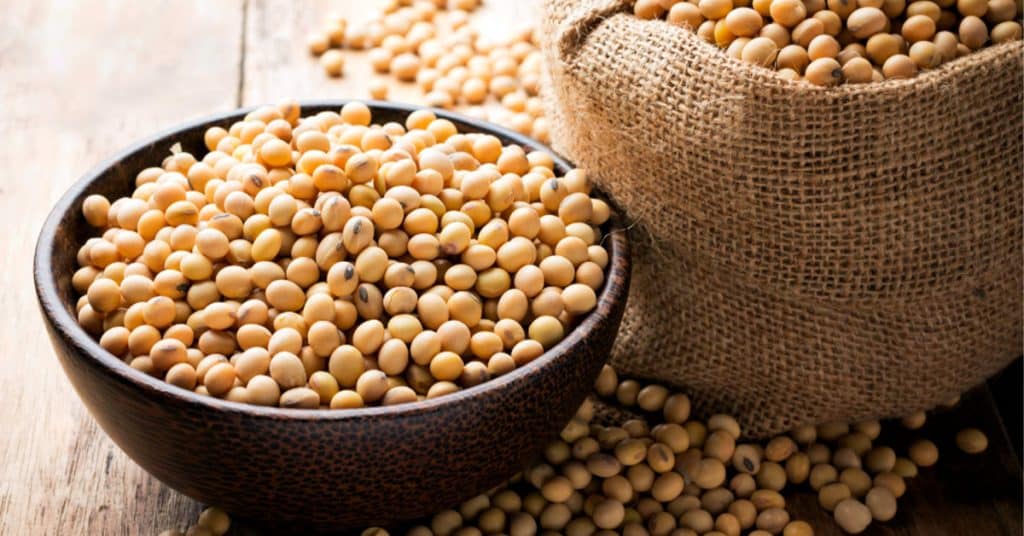
Over the past couple of decades, soy products have become quite controversial. You might have heard claims that they cause breast cancer, or perhaps that they are genetically modified. In this article, we’re going to tackle the three most common myths about soy.
1. Soy Is Feminizing
This myth comes from the fact that soy contains phytoestrogens known as isoflavones. Additionally, there have been some rodent studies and a couple of rare human cases who consumed in the ballpark of 15 to 20 servings of soy per day and reported gynecomastia (breast growth in men).[1] Such extreme examples do not support the idea that reasonable amounts of soy are feminizing.
Multiple meta-analyses investigating the research on soy and isoflavones have found no link between soy consumption and feminization, low testosterone, or high estrogen levels in men.[2][3] Similarly, a 2009 meta-analysis found that soy had no effect on estrogen levels in women.[4]
This is because the phytoestrogens in soy are one thousand times weaker and preferentially bind to different receptors in our bodies than true human estrogens do.[5][6] This allows soy to actually have antiestrogenic effects in tissues where we don’t want excess estrogen (e.g., breast tissue), which may also be why soy products have been shown to improve menopausal symptoms.[7]
Dairy, not soy, contains mammalian estrogens, which have the same effect as the estrogen produced by our own bodies and are therefore proestrogenic.[8] In other words, if you’re worried about the hormonal effects of your food choices, it makes much more sense to ditch dairy than soy.
2. Soy Causes Breast Cancer
You may be surprised to learn that soy consumption in Asia is actually linked to a lower risk of breast cancer. Those who consume just half a cup of tofu per day reduce their risk of developing breast cancer by an astonishing 30 percent compared to those who avoid soy![9] Even women who previously battled breast cancer have 21 percent greater survival rates over the course of nine years if they consume more soy.[10] Finally, those with BRCA gene mutations, which increase the risk of breast cancer, may benefit from increased soy consumption, likely due to the antiestrogenic effects of soy mentioned earlier.[5][6][11]
What about other cancers? A study including over 46,000 women found a 30 percent reduction in endometrial cancer risk in the group with the highest soy consumption.[12] Furthermore, studies on soy intake and prostate cancer risk have found that those with higher soy intakes can reduce their risk from 20 percent to as much as 70 percent.[13] Dairy, on the other hand, may actually increase prostate cancer risk.[14]
In addition to not negatively impacting hormones or cancer risk, soy has many benefits. A half cup of whole soybeans contains sixteen grams of protein, five grams of fiber, over half your daily requirement for iron, and significant amounts of magnesium, copper, and manganese. It contains significant amounts of many B vitamins and vitamin K. Although tofu is somewhat processed and therefore missing some of the fiber and minerals found in whole soybeans, soy is so nutritionally rich that tofu remains a healthy food. Soy protein intake has also been shown to reduce cholesterol levels and inflammation, which contributes to just about every chronic illness we know of.[15]
The American Academy of Pediatrics suggests that soy-based formulas are the nutritional equivalent of cow’s milk formulas and are suitable for full-term infants, with no evidence of negative hormonal effects.[16]
3. Soy Products Contain GMOs and Pesticides
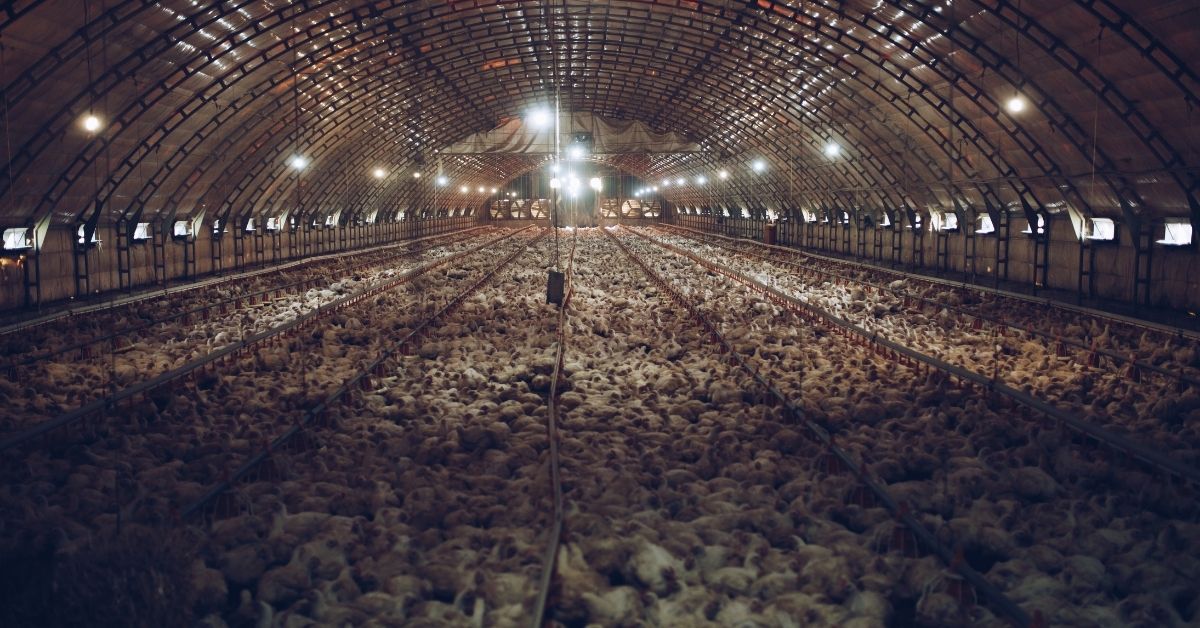
Concern about genetically modified (GMO) soy products and the pesticides used to produce them is understandable but somewhat misplaced. Most GMO soy is used not for direct human consumption but instead for animal feed for poultry, pigs, and cattle.[17] If you’re already avoiding animal foods but still concerned about GMO soy, make sure to check the labels on your soy products. The use of GMOs is prohibited in certified organic products.
So there it is! Unless you have a specific allergy or sensitivity to soy, there is no reason to avoid it. Soy has numerous benefits, ranging from its packed nutrient profile to its associated cancer risk reduction.
References
- Martinez, J & Lewi, JE. An unusual case of gynecomastia associated with soy product consumption. Endocrine Pract. 2008;14(4):415-418
- Messina, M. Soybean isoflavone exposure does not have feminizing effects on men: a critical examination of the clinical evidence. Fertil Steril. 2010;93(7):2095-2104
- Hamilton-Reeves, JM et al. Clinical studies show no effects of soy protein or isoflavones on reproductive hormones in men: results of a meta-analysis. Fertil Steril. 2010;94(3):997-1007.
- Hooper, L et al. Effects of soy protein and isoflavones on circulating hormone concentrations in pre- and post-menopausal women: a systematic review and meta-analysis. Human Reproduction Update. 2009;15(4):423-440
- McCarty, MF. Isoflavones made simple – Genistein’s agonist activity for the beta-type estrogen receptor mediates their health benefits. Medical Hypothesis. 2006;66:1093-1114.
- Mostrom, M. & Evans, TJ. Phytoestrogens. Reproductive and Developmental Toxicology. 2011.
- Toku, K et al. Extracted or synthesized soy isoflavones reduce menopausal hot flash frequency and severity: systematic review and meta-analysis of randomized controlled trials. Menopause. 2012;19(7):776-790.
- Maruyama, K et al. Exposure to exogenous estrogen through intake of commercial milk produced from pregnancy cows. Pediatrics International. 2012;52:33-38.
- Wu, AH et al. Epidemiology of soy exposure and breast cancer risk. Br J Cancer. 2008;98(1):9-14.
- Zhang, FF et al. Dietary isoflavone intake and all-cause mortality in breast cancer survivors: The Breast Cancer Family Registry. Cancer. 2017:2070-2079.
- Kwang-Pil, K et al. Dietary intake and breast cancer among carriers and noncarriers of BRCA mutations in the Korean Hereditary Breast Cancer Study. Am J Clin Nutr. 2013;98:1493-1501.
- Ollberding, NJ et al. Legume, soy, tofu, and isoflavone intake and endometrial cancer risk in postmenopausal women in the multiethnic cohort study. J Natl Cancer Inst. 2012;104(1):67-76.
- Hwang, YW et al. Soy food consumption and risk of prostate cancer: a meta-analysis of observational studies. Nutr Cancer. 2009;61(5):598-606.
- Aune, D et al. Dairy products, calcium, and prostate cancer risk: a systematic review and meta-analysis of cohort studies. Am J Clin Nutr. 2015;101(1):87-117.
- Ramdath, DD et al. Beyond the Cholesterol-Lowering Effect of Soy Protein: A Review of the Effects of Dietary Soy and Its Constituents on Risk Factors for Cardiovascular Disease. Nutrients. 2017;9(4):e324
- Bhatia, J et al. Use of Soy Protein-Based Formulas In Infant Feeding. Pediatrics. 2008;121(5):1062-1068.
- Food and Drug Administration. GMO crops, animal food, and beyond [web page]. Accessed July 28, 2025.
You Might Also Like








Copyright 2026 Center for Nutrition Studies. All rights reserved.

Deepen Your Knowledge With Our
Plant-Based Nutrition
Certificate
Plant-Based Nutrition Certificate
- 23,000+ students
- 100% online, learn at your own pace
- No prerequisites
- Continuing education credits