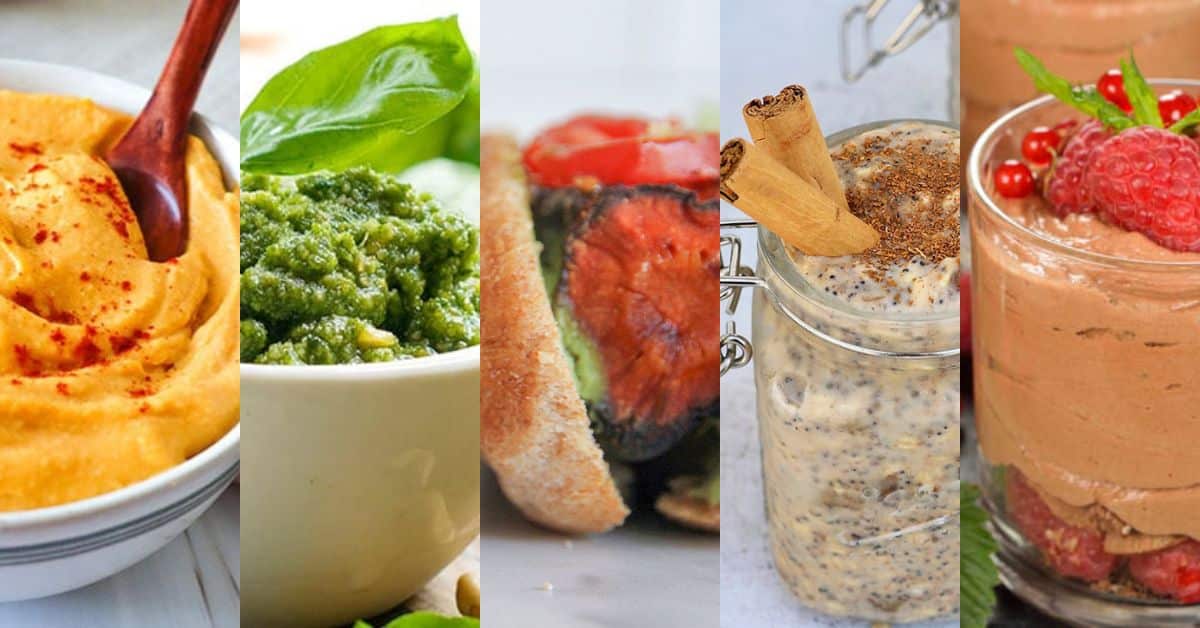


A study released this week shows that among two very large American study populations (female nurses and male health professionals), those who consumed the most animal protein compared to plant protein had a higher risk of death, particularly cardiovascular disease.[1] Breaking it down into specific foods, researchers found that substituting 3 percent of total energy from plant protein for an equivalent amount of protein from processed red meat was linked to a 34 percent lower risk of death.
These findings are even more impressive when you consider everything the researchers controlled for: intake of different types of fat; total energy intake; glycemic index; intake of whole grains, fiber, fruits, and vegetables; smoking and alcohol use; body mass index; vitamin use; physical activity; and history of high blood pressure. In other words, they statistically eliminated many of the beneficial components of plant-based diets to isolate the sole effect of dietary protein, and they still found an effect. When the data were adjusted for only age, total energy intake, and fat intake, those consuming the most plant protein were found to have a 33 percent reduced risk of death, a 40 percent reduced risk of cardiovascular death, and a 28 percent reduced risk of cancer death.
These findings are even more remarkable given the meat-centered diets that the study subjects were consuming. Researchers divided the population into groups based on the amount of protein consumed. Even those consuming the most plant-based protein consumed almost 60 percent more animal protein than plant protein. None of these groups were consuming anything remotely similar to the whole-food plant-based (WFPB) diet that has been shown to halt or reverse advanced heart disease, diabetes, and early stage prostate cancer.
The bottom line: even among groups of Americans consuming meat- and processed food–based diets, survival benefits are likely to accrue from incorporating more plant-based sources of protein.
Copyright 2025 Center for Nutrition Studies. All rights reserved.